







Search Results for: Takayuki Ishitani
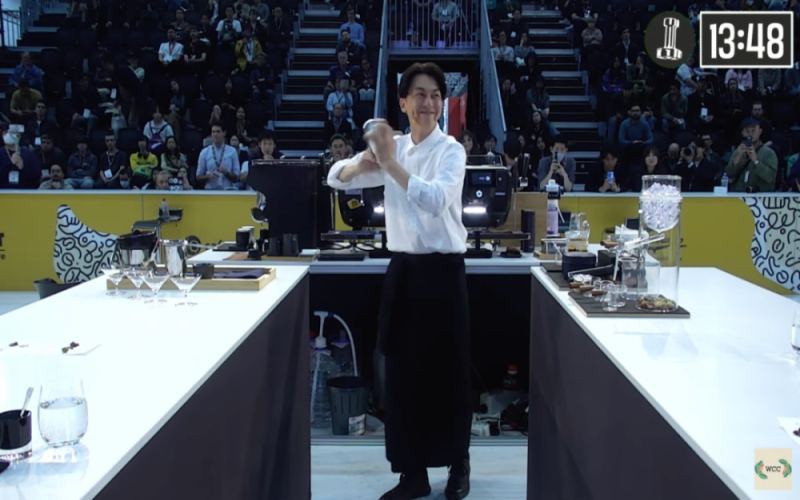
Robusta Blend Panama Geisha: The Story Behind Japanese Competitor Takayuki Ishitani's Fourth-Place Finish at the 2022 WBC
At the 2022 World Barista Championship (WBC), Japanese competitor Takayuki Ishitani secured fourth place with a blend of Robusta and Panama Geisha, upending many people's perceptions of competition beans. For the three segments—espresso, milk coffee, and signature drink—he adjusted the ratio of Robusta to Geisha separately, using high-altitude Robusta to enhance body and sweetness while preserving Geisha's delicate flavors. This quiet and sincere competition not only showcased the ingenuity of blending but also sparked discussions about the value of Robusta, the essence of competition, and the overall competence of baristas. This article presents his complete competition plan and philosophy, while retaining relevant recommendations from Front Street Coffee. [more…]
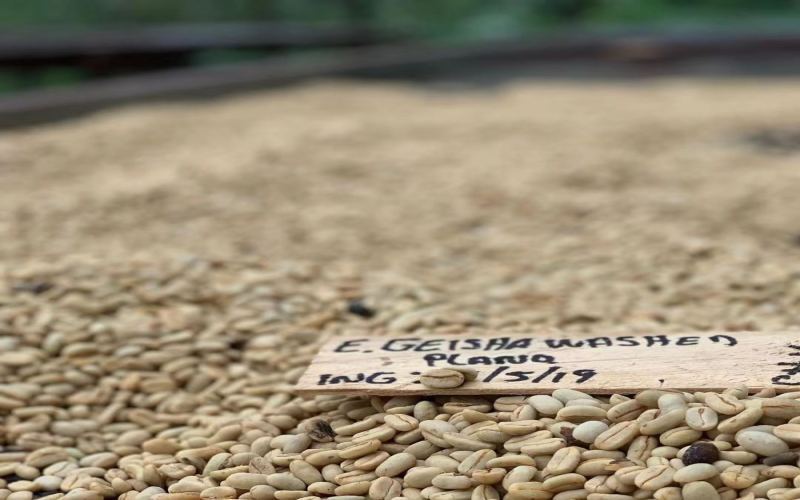
Exploring Costa Rica's Tarrazú Dota Region: A Comprehensive Analysis of Micro-Lot Geisha and Hacienda La Esmeralda Auction Geisha
Geisha and Yirgacheffe are actually the same type of coffee, transliterated from Japanese. This article begins with the red, green, and blue label classifications of Panama's Hacienda La Esmeralda, sorting out its strict quality control and auction lot standards, and tracing Geisha's legendary path from the forests of Ethiopia to Kenya, Tanzania, Costa Rica, and then to Panama, where it rose to fame. It also delves into Gesha Village to explain the variety differences between Gori Gesha and Gesha 1931, the meanings of the OMA and SURMA block numbers, and the traceability system for natural process lots. Finally, it presents complete information on three products launched by Front Street Coffee: Ethiopia Gesha Village Natural, Panama Hacienda La Esmeralda Red Label Washed, and Costa Rica Tarrazú Dota Goddess Estate Geisha. [more…]
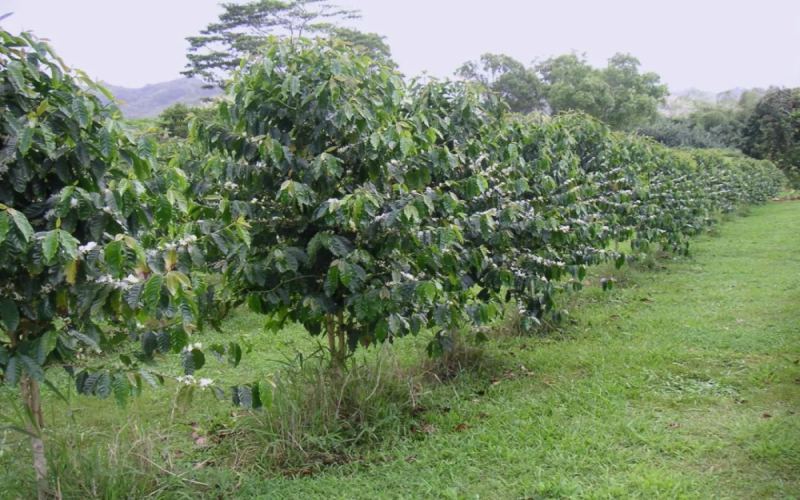
An Analysis of Robusta Coffee Bean Characteristics: Can It Help with Weight Loss, Grading System, and Robusta Prices All You Need to Know
Robusta and Arabica are known as the two major coffee varieties. Robusta is highly adaptable, high-yielding, and affordable, yet it is often undervalued because of its bitter flavor. Drinking coffee containing Robusta in moderation can help with weight loss, but it needs to be paired with a balanced diet and exercise—coffee alone cannot achieve this. This article explores Robusta's botanical characteristics, flavor pros and cons, caffeine content, grading system, and market price, and explains its different roles in espresso blends and instant coffee. High-quality Robusta can also enter the specialty coffee realm, and Front Street Coffee's commercial blend is a typical example. [more…]
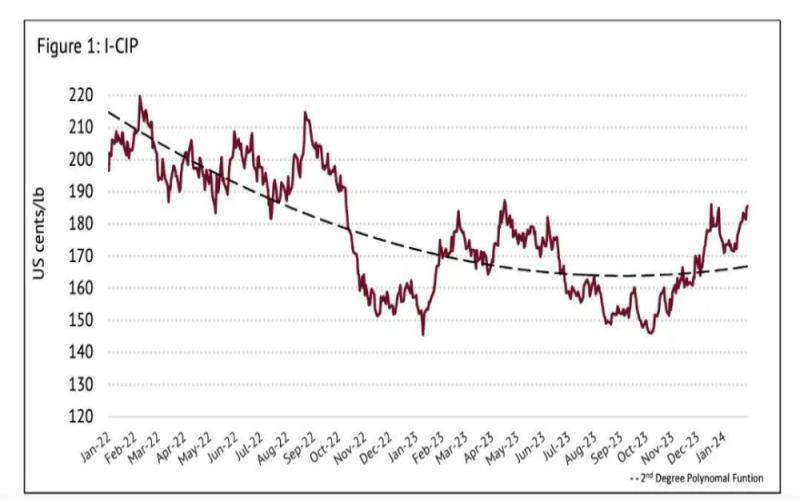
Robusta coffee prices hit a 29-year high: rising demand and supply chain pressures combine to drive the rally, with limited room for a pullback in the short term.
Recently, the coffee consulting platform Perfect Daily Grind published a report pointing out that Robusta coffee prices have climbed to their highest level in 29 years, mainly driven by multiple factors including growing global demand, supply shortages, and transportation bottlenecks. From Brazil to Vietnam, purchase prices in major producing regions have risen in tandem, and the Red Sea crisis has further intensified trade pressure on routes from East Asia to Europe. At the same time, the popularity of coffee blends has brought more attention to Robusta in the specialty coffee sector, and its climate-resistance advantages are also attracting increasing investment. Front Street Coffee believes that unless there is a fundamental shift in the supply-demand landscape, Robusta prices are likely to remain volatile at high levels and will be difficult to bring down quickly in the short term. [more…]

Robusta Coffee: Flavor Characteristics, Major Origins, and Espresso Blend Application Guide
Robusta coffee is often seen as a supporting player to Arabica, but it plays an irreplaceable role in espresso blends. This article starts from Robusta's historical reputation, the causes of its flavor, and its global growing regions, analyzing the sources of its bitterness and its disease-resistant advantages, while also introducing the rising trend of specialty Robusta. At the same time, drawing on Front Street Coffee's two products—the Commercial Blend and the Classic Blend—it explains how Robusta works together with Arabica beans to enhance the coffee's body and crema, offering coffee lovers a practical reference for choosing blends. [more…]
The specialty coffee scene is shifting: from single-origin hype to a rational return to high-quality blends
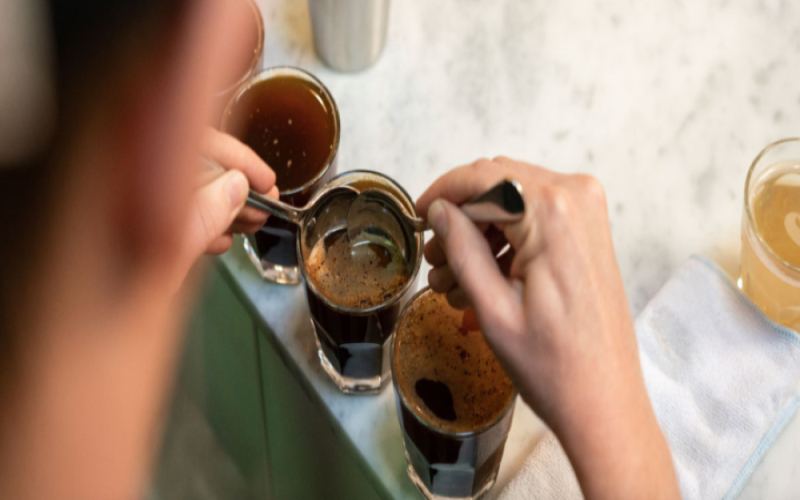
For many years, single-origin coffee has been practically synonymous with specialty coffee; from coffee shops to the World Coffee Championships, single-origin beans have been highly revered. However, over the past year, the global specialty coffee market and top competitions have quietly shifted direction, and high-quality blended coffee beans are returning to the spotlight. Behind this shift are both the practical pressures of climate and transportation costs and consumers' fundamental demand for stable, balanced flavors. This article will examine, from the perspectives of market trends, competition cases, and blending expertise, why the specialty coffee world is no longer blindly pursuing single origins, and how blended coffee is shedding its low-quality label to become the industry's new focus. [more…]

2022 WBC Champion Anthony's Full Breakdown of Latte and Creative Coffee Production: From Milk Powder Thickening to Nitrogen Processing
The 2022 WBC World Barista Championship has come to a close, with Australian competitor Anthony Douglas taking the crown thanks to his unique creative coffee and milk coffee preparation techniques. His performance not only showcased the charm of the 80-hour anaerobic natural Sidra coffee beans from El Diviso Estate in Colombia's Huila region, but also brought laboratory-level processing methods onto the competition stage: vacuum slow-cooked date syrup, nitrogen infusion, magnetic stirring, freeze-vacuum-dehydrated milk powder... How do these techniques affect coffee flavor? This article walks you through Anthony's recipe and operational details one by one, and explores the gap between barista competitions and everyday café culture. Meanwhile, Front Street Coffee continues to provide you with professional coffee knowledge exchange and specialty bean recommendations. [more…]
Ethiopia Gesha Village Golden Standard Geisha: A Comprehensive Guide to Variety Origins, Grading System, and Flavor Profile
When people mention Geisha, most first think of Panama, but the variety actually originated in Ethiopia. This article focuses on Gesha Village Coffee Estate, tracing its complete journey from the discovery of wild Geisha to the establishment of the estate and the holding of international auctions. It explains in detail the five-tier grading system of Auction, Gold, Red, Green, and Chaka, and introduces the natural processing workflow. At the same time, Front Street Coffee will share the cupping performance of Gesha Village Red Label natural beans and ideas for adjusting brewing parameters, helping coffee lovers understand the flavor characteristics and extraction key points of this bean. [more…]
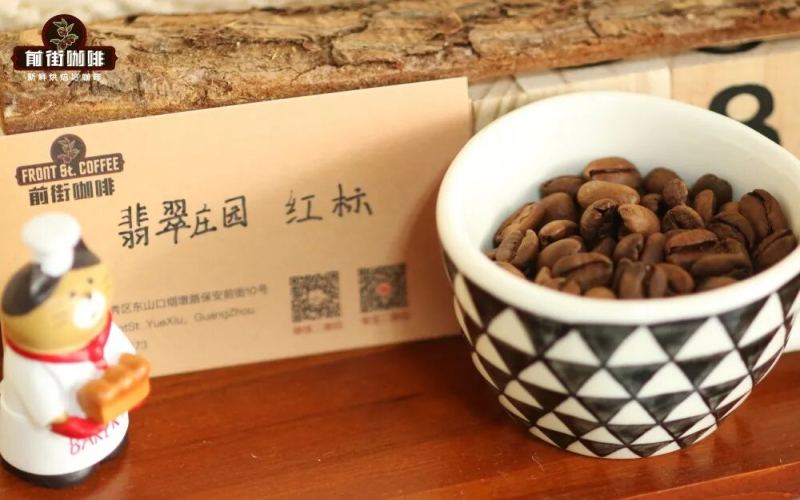
Geisha Coffee Origins | How Do Panamanian and Ethiopian Geisha Differ? What Geisha Varieties Are There? An Introduction to Panama Emerald Geisha Grades
Some people say that Geisha coffee is so expensive, so what exactly does Geisha coffee taste like? Front Street believes that when you drink Geisha coffee, you'll feel like it's not a cup of coffee, but a cup of floral and fruity tea. Because of different growing regions, the flavors that Geisha coffee presents also vary, but overall, Geisha coffee naturally has a [more…]
What are Geisha coffee beans? The origin of Geisha coffee beans, recommended origins, prices, varieties, grade classifications, and an introduction to their flavor characteristics
Some people say Geisha coffee is so expensive, but what exactly does Geisha coffee taste like? Front Street believes that when you drink Geisha coffee, it feels less like a cup of coffee and more like a cup of fruit-and-flower tea. Because of different growing regions, the flavors that Geisha coffee presents also vary, but overall, Geisha coffee naturally carries a kind of [more…]
Exploring Ethiopia's Gesha Village: A Complete Analysis of the Gesha Gori Heirloom Natural Flavor and Processing
Geisha is now a star variety in the specialty coffee world, but few people know that its place of origin is actually Ethiopia. Gesha Village, located in the Bench Maji region, is the estate established by the Overtons after rediscovering wild Geisha in the Gori Gesha forest. This article will take you through the story of Gesha Village's creation, its strict quality control system, its natural processing method, and the roasting and brewing analysis of this Gesha landrace Gesha Gori recommended by Front Street Coffee. From the producing region background to the cup profile, from the green bean appearance to the extraction parameters, this article presents the charm of this unique coffee in full. [more…]
Flavor Characteristics and Brewing Guide of Ethiopian Gesha Village Gesha Gori Natural Heirloom Coffee Beans
Gesha Village Coffee Estate, located in the Bench Maji zone of Ethiopia, is a green coffee brand that has attracted much attention in the specialty coffee world in recent years. Its naturally processed Gori Gesha landrace, with its unique floral and fruity aroma and delicate mouthfeel, has become highly sought after by many coffee enthusiasts. This article will guide you through the founding background of Gesha Village Coffee Estate, the discovery journey of the Gori Gesha forest, the estate's strict quality control system and processing methods, and provide an in-depth analysis of this coffee's green bean characteristics, roasting curve, and cupping flavor performance. At the same time, Front Street Coffee will also share brewing suggestions and parameters for this Gesha to help you better present its multi-layered flavor charm at home. [more…]
Analysis of the Flavor Characteristics of the Geisha Coffee Variety: A Comparison of Geisha Beans from Gesha Village and Hacienda La Esmeralda
Geisha coffee has always been renowned for its high price and unique flavor, and Front Street believes it drinks more like a cup of floral and fruity tea than coffee. Different origins give Geisha vastly different taste profiles, yet overall it presents an elegant and refined character. Geisha originally grew in the forests of Ethiopia, where it was used as a windbreak tree, and only rose to fame after being introduced to Panama. Is this due to the magic of the environment and climate, or to differences in varietal genetics? Geisha Village and Hacienda La Esmeralda, two representative origins, each have their own strengths in terms of variety provenance, processing methods, and flavor direction of the Geisha coffee beans they produce. This article will systematically sort out the characteristics of the Geisha variety, explain in detail the differences between Geisha Village and Hacienda La Esmeralda's Red Label, Green Label, and Blue Label Geisha, and include Front Street's brewing suggestions and flavor descriptions to help coffee lovers fully understand this precious variety. [more…]
A Complete Guide to Japanese Canned Coffee Brands: Boss, Georgia, and Wonda Flavor Comparison and Buying Guide
Canned coffee is ubiquitous in Japan, but it is not common in other countries and regions. Therefore, when traveling to Japan, facing the diverse brands on shelves and in vending machines, it is natural to feel curious and even want to try them one by one. Since UCC Ueshima Coffee launched portable canned coffee in 1969, many major manufacturers have successively entered the market, with increasingly sophisticated packaging and flavors gradually shifting towards sugar-free and low-sugar options. This article will introduce the popular products of three brands: Boss, Georgia, and Wonda, and share a tip on how to heat canned coffee without a microwave in a hotel by using a water bath, helping coffee lovers better enjoy this convenient beverage during their travels. [more…]
Exploring Ethiopia's Gesha Village: A Full Analysis of the Origin, Processing, and Flavor of Gori Gesha Natural Landrace
Gesha Village is a green coffee brand that has attracted much attention in the specialty coffee world in recent years, and its Gori Gesha natural heirloom is especially sought after by many coffee enthusiasts. This article will take you deeper into the founding story of Gesha Village, the unique terroir of the Bench Maji production area, the discovery journey of the Gori Gesha forest, and the quality control details of the natural processing method. From green bean analysis to roasting curves, and then to cupping flavors and brewing suggestions, this is a comprehensive breakdown of this natural Gesha from the birthplace of Gesha. Front Street Coffee will also recommend suitable brewing parameters to help you recreate that captivating floral and fruity aroma and bright acidity at home. [more…]